
The housekeeping profession is now considered a very "hot" job, offering stable income and high potential
This article helps families understand when to consider hiring a live-in helper, how to choose the right person, and the factors that determine costs so they can make an informed hiring decision.
By Nom Bé · June 26, 2026
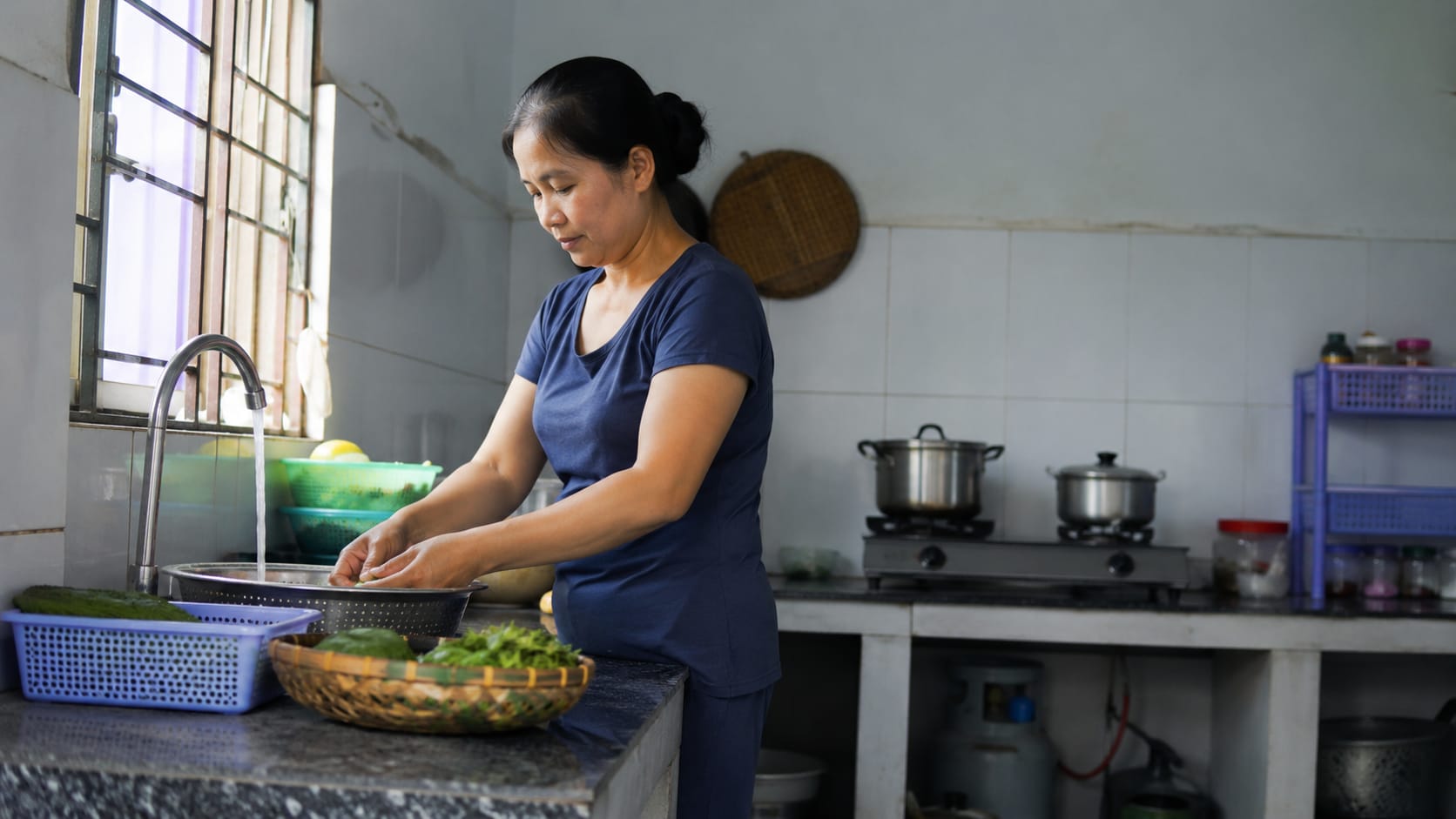
The housekeeping profession is attracting more attention than before due to its stability and income opportunities. This article focuses on when families should consider hiring a live-in helper and what to know before finalizing an agreement.
Why the housekeeping profession is considered "hot" today
Conversations within the professional community show that housekeeping can provide stable income and career advancement opportunities if workers develop specialized skills. Areas such as childcare and nannying are often valued highly because they require significant responsibility.
In addition, flexibility in working arrangements (hourly, part-time, live-in) makes this profession suitable for many job seekers, which in turn increases demand and earning potential in the sector.
When a family should consider hiring a live-in helper
Hiring a live-in helper is appropriate when a family needs a permanent person at home to handle daily tasks, care for young children or elderly family members, or when the household's schedules are unstable. A live-in arrangement ensures someone is present 24/7 or during hard-to-schedule hours.
If the need is only for periodic cleaning or short-term tasks, a family might consider hiring hourly helpers instead of a live-in. The decision should be based on task frequency, the level of trust required, and the ability to provide living accommodations for the helper.
Advantages and disadvantages of choosing a live-in helper
Advantages:
- Stable care for children, elderly family members, or pets.
- Less time spent finding replacements, making daily routines more convenient.
Disadvantages:
- The family needs to provide separate living and dining space and agree on household rules.
- Managing boundaries between work and personal life can become complicated without clear regulations.
Criteria for choosing a live-in helper
When recruiting, families should focus on the following criteria to assess fit:
- Practical experience and references from previous employers.
- Necessary professional skills (childcare, elderly care, cooking, basic first aid).
- Honesty, sense of responsibility, and work attitude.
- Health and required documentation; agreements on accommodation, rest hours, and leave policies.
A short trial period or checking former contacts can help reduce risk before finalizing a contract.
Factors that affect salary and benefits
Salaries for live-in helpers usually depend on experience, scope of duties, and living conditions. According to community discussions, a common range for live-in helpers can be around 7-9 million VND/month including room and board; however, actual figures vary case by case.
Besides base salary, many families provide holiday bonuses, performance bonuses, or extra pay for specialized tasks such as medical care or newborn care. Before finalizing, families should clearly agree on salary, allowances, and bonuses to avoid misunderstandings.
Questions to ask when interviewing live-in candidates
Some practical questions to evaluate candidates:
- How long have you worked as a live-in helper and what were your main duties?
- Can you provide references from previous employers?
- Do you have skills in childcare/elderly care or first aid? If so, please describe.
- What are your expectations for accommodation and working hours? Details about leave and holiday policies?
Record the answers and compare candidates to choose the best fit. When deciding, draft a basic written agreement that clearly states rights and responsibilities.
Conclusion
Hiring a live-in helper is a suitable option for many families who need continuous care or have complex schedules. Understanding when to hire, selection criteria, and cost factors will help families make better decisions before searching for a Live-in housekeeper.
Frequently asked questions
Frequently asked questions
How is a live-in helper different from an hourly helper?
What is the typical salary for a live-in helper?
What should be asked when interviewing live-in candidates?
What documents should families check for a helper?
Should there be a trial period before signing a long-term contract?
Read more
Recommended articles to read next
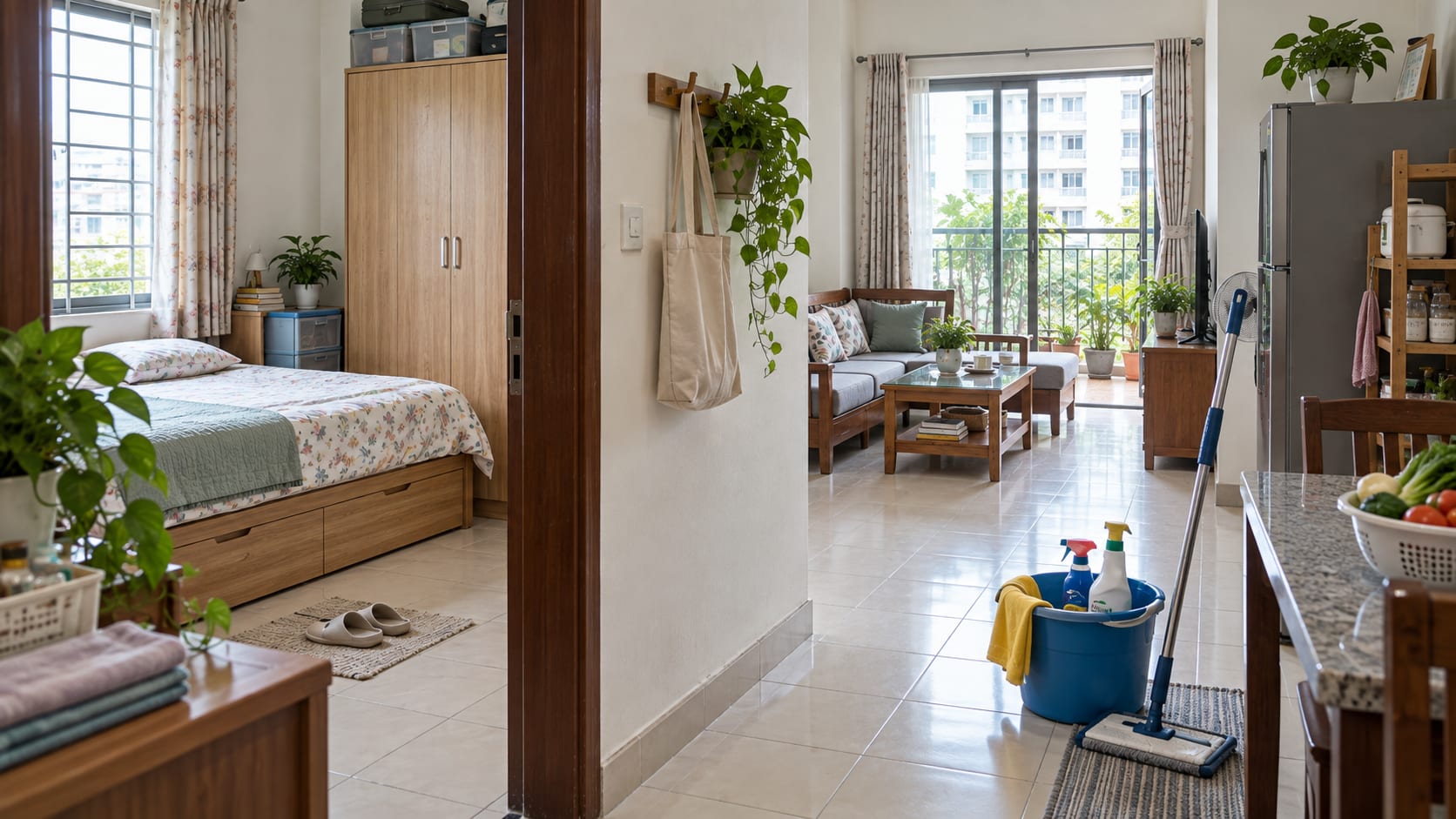
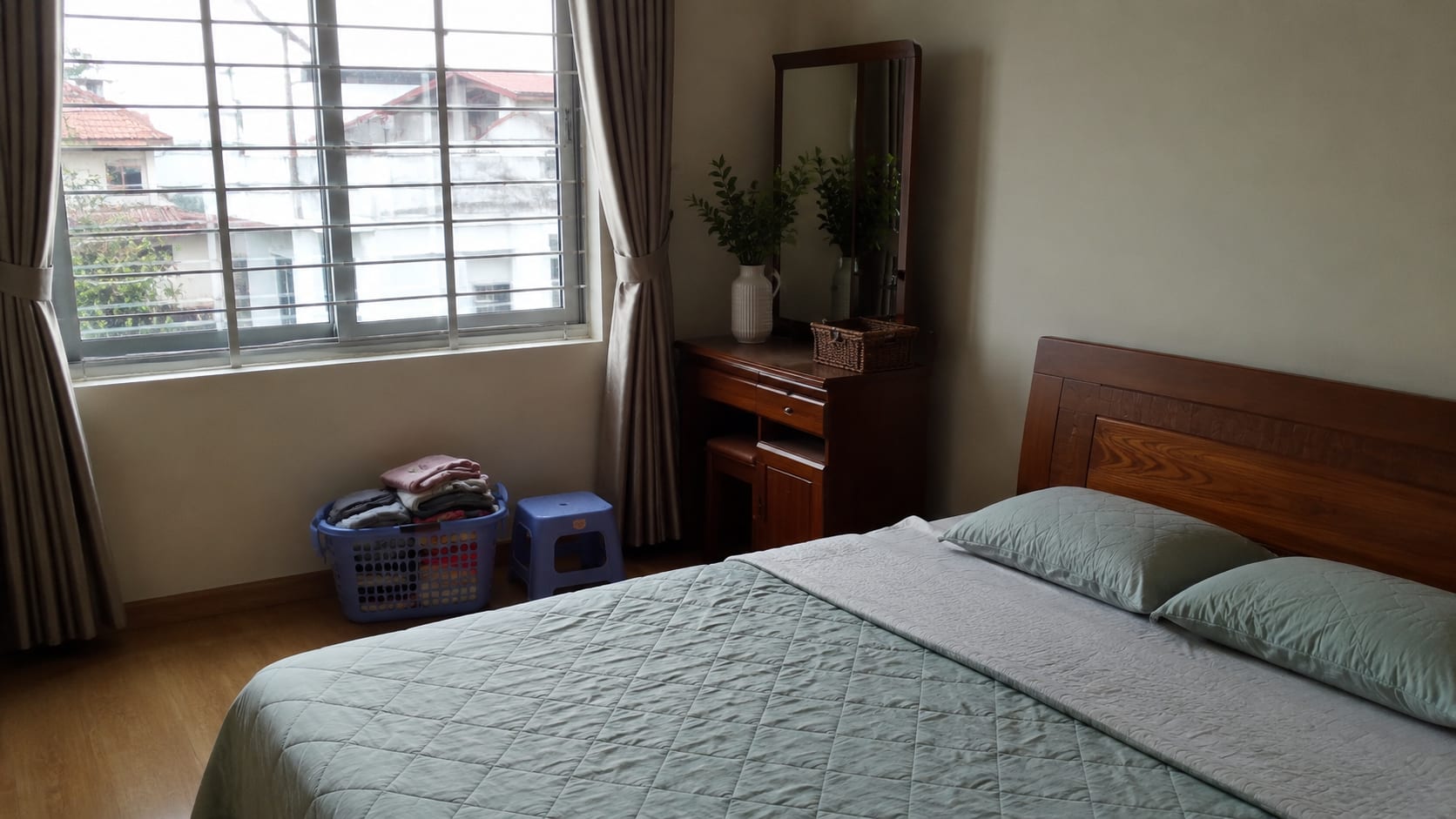

Start searching
Ready to view suitable profiles?
Find domestic helpers
Trust and support
© 2026 Nom Bé. All rights reserved.